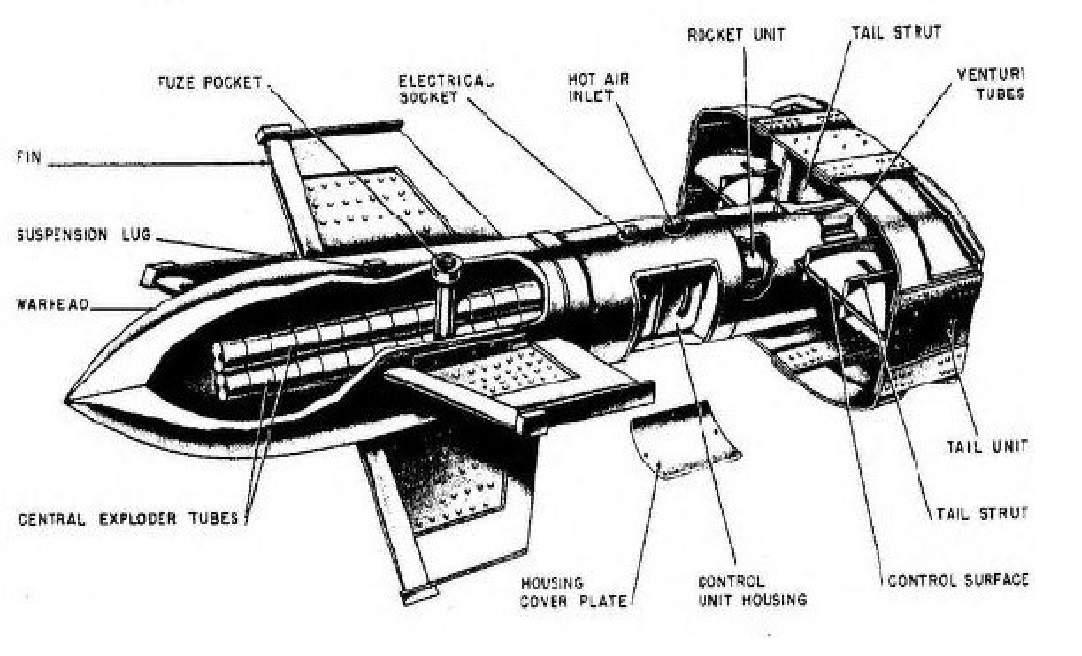
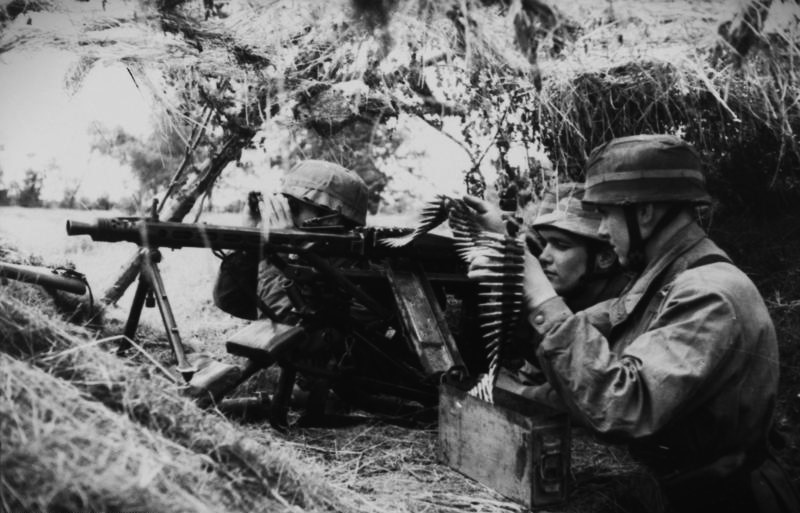
World War II Small Arms Quiz 1. The .303 British cartridge was less suited for automatic weapons than the 7.92mm Mauser primarily because: It had too low velocity It was rimmed and caused feeding issues It used corrosive primers It lacked armor-piercing capability 2. The main limitation of WWII guided missile technology was: Insufficient computing power for autonomous guidance Inaccurate propulsion systems Poor aerodynamics Unreliable explosives 3. The American Browning M1919 machine gun operated using which mechanism? Short recoil operation Straight blowback Rotating bolt Gas piston 4. Early World War II man-portable anti-tank weapons like the Boys Rifle and Panzerbüchse 39 quickly became obsolete because: Their armor penetration was insufficient against improved tank armor They were too expensive to produce Their accuracy was poor beyond 50 meters They required special ammunition that was unavailable 5. Which propellant type was most commonly used by the United States in small-arms ammunition during World War II? Single-base nitrocellulose powder Double-base nitrocellulose–nitroglycerin powder Cordite formulation Black powder 6. The German Fritz X guided bomb achieved control by means of: Infrared tracking Magnetic homing on ship hulls Gyroscopic pre-programming Manual radio control from the launch aircraft 7. What was a key tactical distinction between German and American infantry doctrine regarding machine gun use? The U.S. used machine guns for mobility, while Germans used them for suppression The U.S. did not deploy squad-level machine guns Both relied equally on machine guns for offensive fire German squads revolved around the machine gun as the main weapon, while U.S. squads treated it as support 8. RDX-based explosives became central to many WWII munitions. What was one major advantage of RDX over TNT? Easier to manufacture Less sensitive to shock Lower cost Higher explosive velocity and power 9. What was the effective range of most WWII-era bolt-action infantry rifles such as the Kar98k or Lee-Enfield when aimed fire was expected? 800–1,000 meters 100 meters 1,500 meters 300–500 meters 10. The U.S. “Norden bombsight,” while not a weapon itself, enabled what crucial capability? Radar-guided artillery fire Precision naval gunfire Early heat detection of aircraft High-altitude precision bombing You’ve reached the end of the quiz! Submit Quiz ❮ ❯